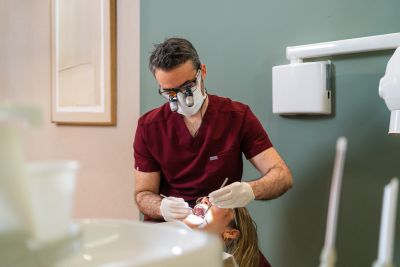
Composite Bonding
Composite Bonding in Sheffield
Enhance Your Smile with Natural-Looking Composite Bonding
Would you like to improve the appearance of your smile without extensive dental treatment?
At DL Dental, we offer composite bonding in Sheffield to help improve the shape, appearance and symmetry of your teeth using carefully applied tooth-coloured composite resin.
Whether you are looking to repair a chipped tooth, close small gaps, improve uneven edges or enhance the overall appearance of your smile, composite bonding can provide a conservative and personalised cosmetic solution.
Our approach is centred around achieving beautiful, natural-looking results that complement your facial features and preserve as much of your natural tooth structure as possible.
Interested in improving your smile? Contact DL Dental to arrange a composite bonding consultation.
Telephone: 0114 239 6830
BOOK YOUR COSMETIC CONSULTATION
What Is Composite Bonding?
Composite bonding is a cosmetic dental treatment that uses a tooth-coloured resin material to improve the appearance of natural teeth.
The composite material is carefully applied, shaped and polished directly onto the tooth to create the desired appearance.
Unlike some other cosmetic dental treatments, composite bonding can often be carried out with minimal or no removal of natural tooth structure, depending on the individual case.
It is a versatile treatment that can be used to improve several aspects of your smile, including:
- Repairing chipped or worn teeth.
- Improving uneven or irregular tooth edges.
- Closing small gaps between teeth.
- Improving the shape and proportions of teeth.
- Masking certain discolourations.
- Improving the appearance of slightly misshapen teeth.
- Creating a more balanced and harmonious smile.
Every smile is different, which is why we begin with a consultation to understand your expectations and determine whether composite bonding is the right treatment for you.
What Can Composite Bonding Help With?
1. Repairing Chipped Teeth
Small chips and fractures can affect the appearance of your smile.
Composite bonding can restore the missing tooth structure, helping to create a smoother and more natural-looking tooth shape.
2. Closing Small Gaps Between Teeth
If you have small spaces between your front teeth, composite bonding may help improve the appearance of these gaps.
Carefully adding composite resin can create more balanced tooth proportions without necessarily requiring orthodontic treatment.
However, larger spaces or certain bite problems may be better treated with orthodontics.
3. Improving Uneven Teeth
Teeth can naturally vary in length, shape and symmetry.
Composite bonding can be used to reshape uneven edges and improve the overall balance of your smile.
4. Improving Tooth Shape and Size
Some people have naturally small, narrow or irregularly shaped teeth.
Composite bonding allows us to add carefully shaped material to improve the proportions and appearance of individual teeth.
5. Improving Discoloured Teeth
Composite resin can help mask certain areas of discolouration that do not respond adequately to whitening.
However, where general tooth whitening is appropriate, we may recommend whitening before bonding so that the final composite shade can be selected to complement your desired tooth colour.
The Composite Bonding Process – What Happens?
At DL Dental, we believe that successful cosmetic dentistry starts with careful planning and understanding what you would like to achieve.
Your treatment will be tailored to your individual teeth, smile and expectations.
Step 1 – Initial FREE Consultation and Smile Assessment
Your first appointment allows us to understand what you would like to improve about your smile.
We will:
- Discuss your expectations and desired outcome.
- Examine your teeth and gums.
- Assess your bite and existing dental restorations.
- Consider your suitability for composite bonding.
- Discuss alternative treatment options where appropriate.
We may also take clinical photographs to assist with treatment planning, with your consent.
Step 2 – Smile Planning and Shade Selection
We will discuss the shape, size and colour of the teeth you would like to improve.
Choosing the right shade is important to achieving a natural-looking result.
Our aim is to complement your existing teeth and facial features rather than simply creating teeth that look unnaturally white or oversized.
If you are considering whitening as well as bonding, we will discuss the most appropriate treatment sequence.
Step 3 – Preparing the Teeth
Depending on your individual case, the teeth may require little or no preparation.
The tooth surface is cleaned and isolated to help provide a suitable environment for bonding.
A conditioning process is used to help the composite material adhere securely to the tooth.
Step 4 – Applying the Composite Resin
The tooth-coloured composite resin is carefully applied in layers.
Your clinician will shape and sculpt the material to improve the appearance of the tooth, paying attention to its natural contours, proportions and surface characteristics.
This stage requires care and attention to detail to achieve a balanced and natural-looking result.
Step 5 – Finishing and Polishing
Once the desired shape has been achieved, the composite is carefully refined, adjusted and polished.
We check your bite and make any necessary adjustments to help ensure that the restoration feels comfortable and functions appropriately.
The finished result is designed to blend naturally with your smile.
Before and After Composite Bonding
Composite bonding can make a noticeable difference to the appearance of a smile when carefully planned and carried out.
Every patient has different dental needs, so results will vary depending on the original tooth shape, colour, alignment and condition.
At DL Dental, we believe that the best cosmetic results are those that enhance your natural smile while maintaining appropriate tooth proportions.
View our composite bonding transformations
or visit out Instagram page!
How Long Does Composite Bonding Last?
Composite bonding can last for several years, although its longevity varies between individuals.
The lifespan of your bonding depends on factors including:
- Your bite and how your teeth come together.
- Whether you grind or clench your teeth.
- Your diet and lifestyle.
- Your oral hygiene.
- The amount of bonding material used.
- The location and size of the bonded restoration.
- Regular dental maintenance.
Composite bonding may gradually become stained, lose its shine, chip or wear over time.
Unlike porcelain veneers, composite bonding can often be repaired or modified without replacing the entire restoration.
Regular dental examinations and appropriate maintenance help us monitor the condition of your bonding.
How Do I Look After Composite Bonding?
Looking after your composite bonding is important to maintain its appearance and longevity.
We recommend:
Brush twice daily
Brush for two minutes, twice a day, using fluoride toothpaste and a suitable toothbrush.
Clean between your teeth
Use interdental brushes or floss to remove plaque and food debris between your teeth.
Avoid biting hard objects
Avoid biting fingernails, pens, ice and other particularly hard objects, as these can damage composite material.
Be mindful of staining
Coffee, tea, red wine and tobacco can contribute to surface staining. Composite resin can stain more readily than natural enamel or porcelain.
Attend regular dental appointments
Regular examinations allow us to monitor your teeth, gums and composite restorations.
Consider a night guard if necessary
If you grind or clench your teeth, we may recommend a protective appliance to help reduce the risk of damage.
Is Composite Bonding Right for Me?
Composite bonding is suitable for many patients, but it is not the best solution for everyone.
You may be a suitable candidate if you:
- Have small chips or fractures.
- Want to improve uneven tooth edges.
- Have small gaps between your teeth.
- Want to improve the shape of individual teeth.
- Have generally healthy teeth and gums.
- Want a conservative alternative to some other cosmetic treatments.
Composite bonding may not be appropriate where there is:
- Extensive tooth decay or untreated dental disease.
- Active gum disease.
- Significant tooth wear.
- Severe misalignment or bite problems.
- Insufficient healthy tooth structure.
- Heavy grinding or clenching that cannot be adequately managed.
These factors do not automatically rule out treatment, but they may mean that alternative or preliminary treatment is needed.
A clinical assessment is essential before deciding whether composite bonding is appropriate.
Composite Bonding vs Veneers – What's the Difference?
Both composite bonding and porcelain veneers can improve the appearance of your teeth, but they work differently.
Composites:
Composite resin material
Applied directly to teeth
Often minimal or non preparation to teeth
Usually completed in one visit
Can. look natural
More susceptible to staining
May require polishing and repairs
More conservative option but still irreversible with residue of composite can be present
Porcelain:
Dental porcelain material
Made from laboratory and bonded to teeth
Usually requires preparation to teeth
Requires multiple visits
Can provide highly aesthetic results
More stain resistant
May require while;e replacement if damanged
Usually irreversible once completed
The best option depends on your teeth, expectations, oral health and budget.
During your consultation, we will explain the advantages and limitations of each treatment so you can make an informed decision.
How Much Does Composite Bonding Cost in Sheffield?
The cost of composite bonding depends on the number of teeth being treated and the complexity of the work required.
For example, treating a single chipped tooth will usually involve a different amount of clinical work compared with improving the appearance of several front teeth.
At DL Dental, we will discuss your treatment options and provide a personalised cost estimate before proceeding.
Typical composite bonding prices start from £195 per tooth
Why Choose DL Dental for Composite Bonding?
Personalised Cosmetic Dentistry
We understand that your smile is personal to you. Our aim is to provide treatment that suits your individual features and expectations.
A Natural-Looking Approach
We believe cosmetic dentistry should enhance your smile rather than make it look artificial. Attention to tooth shape, proportions, colour and detail is important.
Honest Clinical Advice
We will explain what composite bonding can achieve, its limitations and whether alternative treatments may be more suitable.
An Established Sheffield Dental Practice
DL Dental has been caring for individuals and families in Sheffield since 2017. We are proud to have built long-standing relationships with our patients and to provide a welcoming environment for those seeking both general and cosmetic dentistry.
Continuity of Dental Care
We believe cosmetic treatment should be supported by good preventative dentistry and ongoing maintenance. Our wider clinical team can help you maintain your oral health following treatment.